
Safety Above All: Navigating California's New Balcony Laws
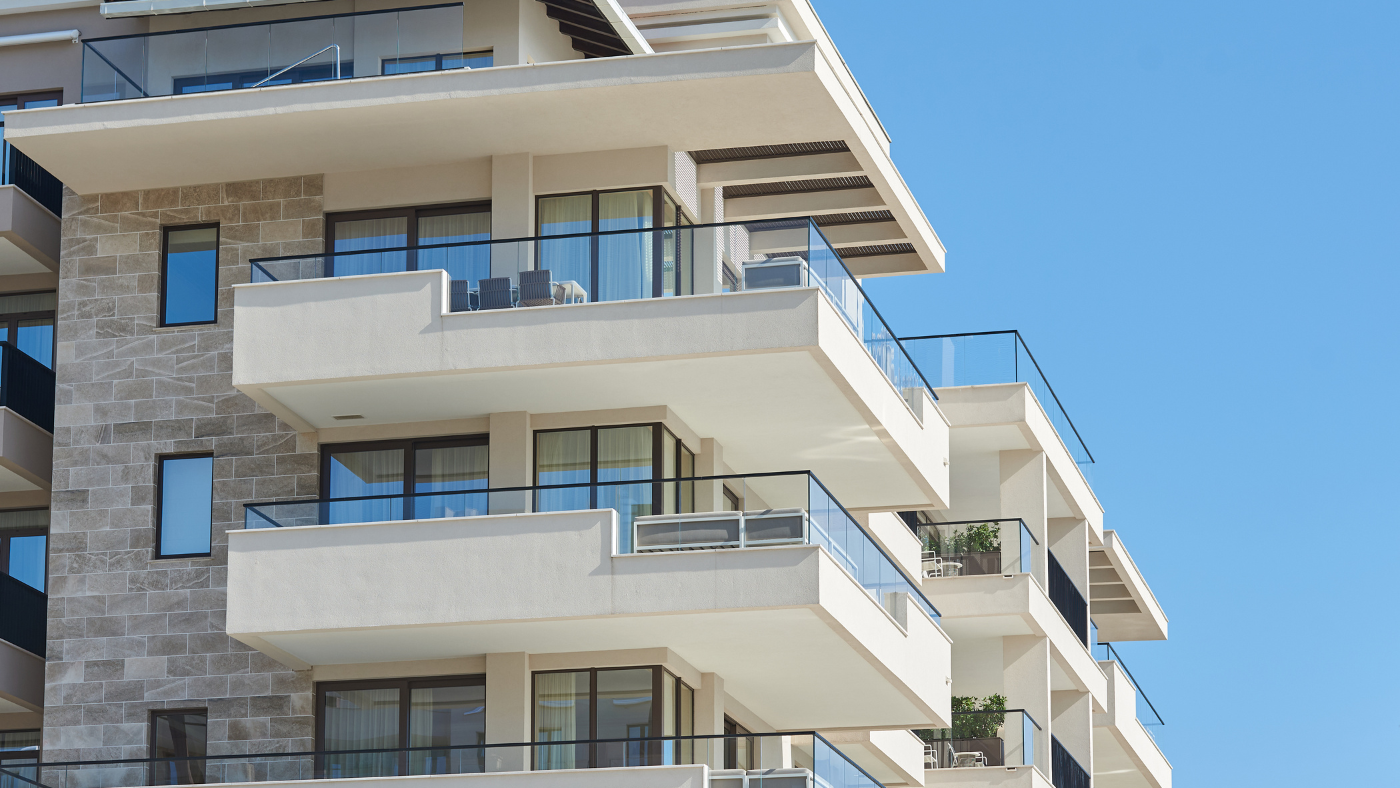
For multi-family property owners in California, the clock is ticking on a major compliance deadline. If you own an apartment building or manage a condo association, you've likely heard about "The Balcony Law." Specifically, SB 721 (for apartments) and SB 326 (for condos) have fundamentally changed how we maintain elevated structures.
While AB 721 (often confused in name) actually focuses on removing exclusionary housing covenants to promote affordable housing, the "Balcony Law" movement was recently updated by AB 2579, which extended the inspection deadline for many to **January 1, 2026**.
Here is everything you need to know about why these laws exist, the challenges they present, and how to protect your investment.
The Tragic "Why": From Berkeley to Florida
The push for these stringent laws didn't happen in a vacuum; they were born from tragedy.
The Berkeley Collapse (2015)
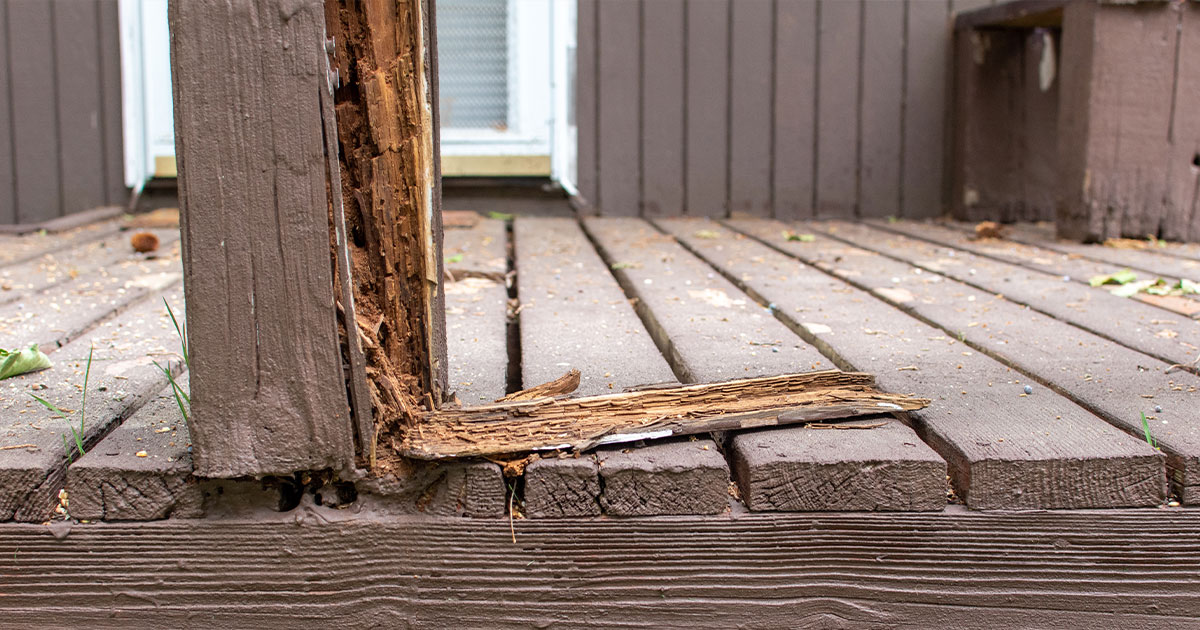
The primary catalyst for California's action was a horrific balcony collapse at a Berkeley apartment complex that claimed six lives. Investigations revealed that "dry rot"—hidden water damage within the wood framing—was the culprit. The National Institute of Standards and Technology subsequently studied the incident and recommended enhanced inspection requirements nationwide.
The Florida Connection
The urgency for structural safety reached a fever pitch following the Surfside condo collapse in Florida. While Surfside involved a massive foundation and pool deck failure, it sent a shockwave through the national real estate market. It highlighted a systemic problem: **deferred maintenance on aging multi-story buildings can be fatal**.
California responded by first targeting condos with SB 326 (the "Condo Bill") and then expanding safety requirements to all multi-family rentals via the framework now being refined by recent assembly bills.
Challenges for Owners of Large Complexes
For owners of multi-story, multi-family complexes, these requirements aren't just a "quick check-up." They present significant hurdles:
1. Complex Inspections
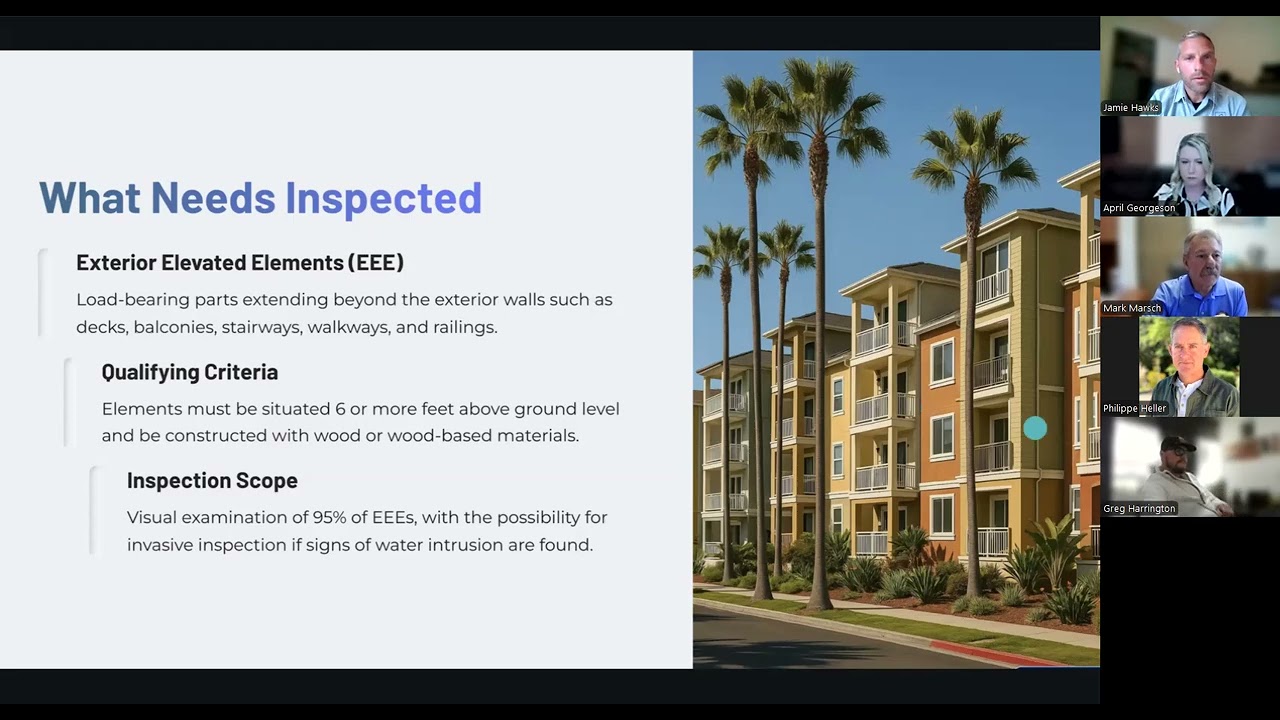
You must inspect a statistically significant sample (at least **15%**) of "Exterior Elevated Elements" (EEEs) like balconies, decks, and walkways located more than six feet above grade. For HOA communities, this requires coordination with board members and residents.
2. The "Hidden" Problem
Because many of these structures are covered in stucco or soffits, inspectors often have to use borescopes or create "exploratory openings" to see the wood framing underneath. This invasive testing is essential but can be disruptive.
3. Disruption & Rebuilding
If an immediate threat is found, you may have to restrict tenant access instantly. For large complexes, this means scaffolding, noise, and potential loss of use for residents for months during a rebuild.
4. Financial Strain
The cost of repairs—especially if structural rot is found across dozens of units—can reach **six or seven figures** rapidly. Understanding your reserve study requirements becomes critical.
Solutions: Implementing Compliance with Minimal Disruption
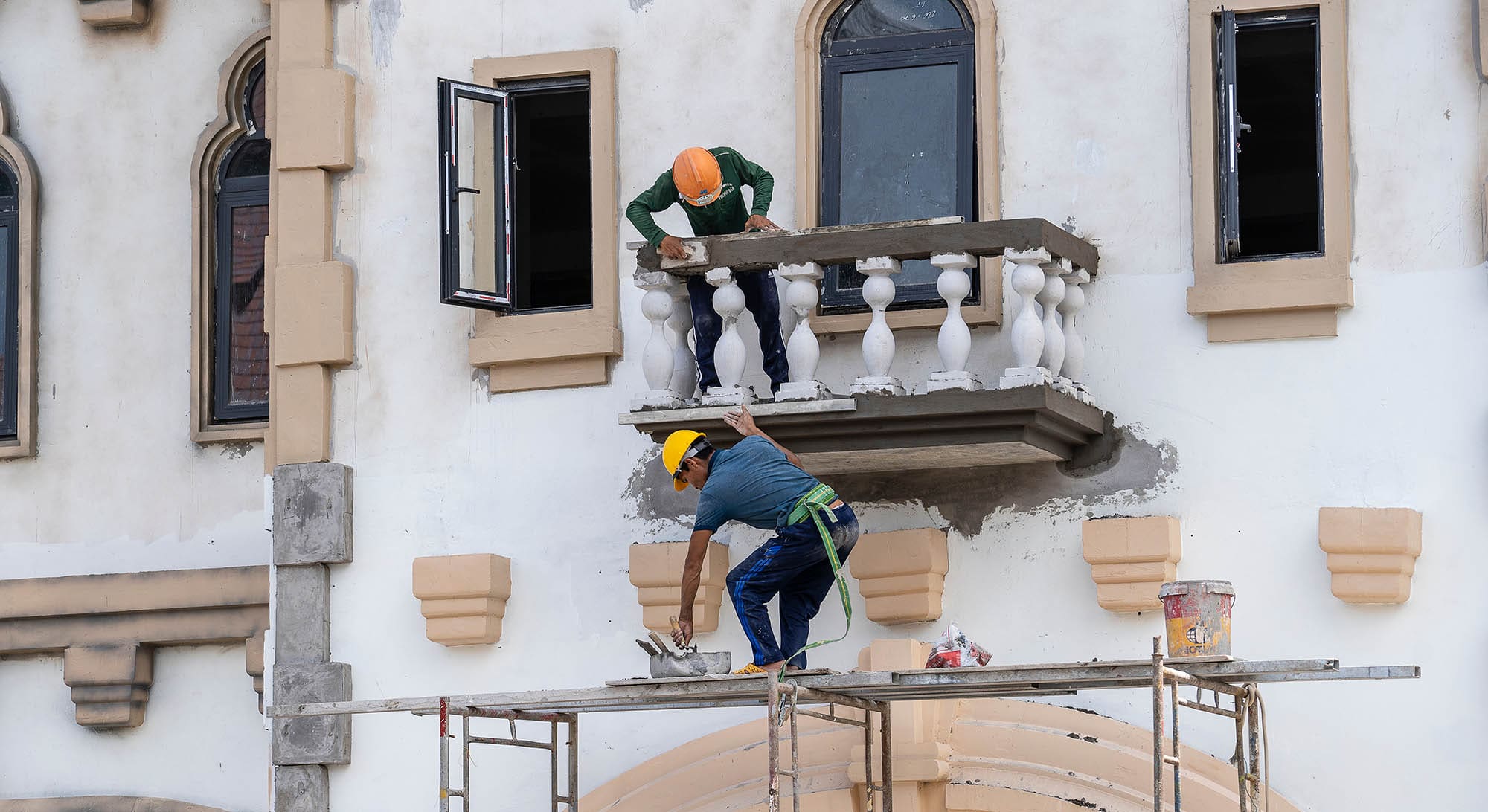
Management can take a proactive approach to soften the blow:
Phased Inspections
Don't wait for the 2026 deadline. Scheduling inspections early allows you to phase repairs over several months, reducing the amount of construction happening at once. Use HOACart's maintenance tracking to coordinate work orders.
Proactive Waterproofing
The best "fix" is prevention. Regularly updating sealants and coatings on walking surfaces can prevent the water intrusion that leads to dry rot. The International Code Council recommends waterproofing inspections every 3-5 years.
Standardized Repair Plans
Work with an engineer to create a "master repair template" for your complex so that if multiple balconies need work, the permitting and construction process is streamlined.
Financing Your Safety Upgrades
The biggest barrier to compliance is often the capital required for sudden, large-scale repairs. Whether you are facing a mandatory rebuild or simply want to get ahead of the 2026 deadline, having the right financial partner is key.
For specialized financing solutions tailored to multi-family property owners and HOAs, we recommend reaching out to the experts at LoansByEmmett.com. They understand the unique nuances of California real estate and can help you secure the funding needed to keep your building safe and compliant without draining your operating reserves.
Downloadable Resources
We've prepared professional templates to help you navigate this process:
Key Compliance Deadlines
Take Action Now
The January 2026 deadline will arrive faster than you think. With inspector schedules filling up and repair contractors in high demand, proactive communities will fare far better than those who wait until the last minute.
**Need help tracking your compliance?** HOACart.AI provides comprehensive violation tracking, document management, and financial tools specifically designed for California HOAs and property managers.
As a California licensed real estate broker with over 20 years of experience, I've seen firsthand the devastating consequences of deferred maintenance—and the peace of mind that comes from proactive compliance. Don't let your building become a statistic. Act now, protect your residents, and safeguard your investment.
| Law | Applies To | Deadline | Inspection Cycle |
|---|---|---|---|
| SB 721 | Apartments (3+ units) | January 1, 2025 | Every 6 years |
| SB 326 | Condos/HOAs | January 1, 2026 | Every 9 years |
| AB 2579 | Extended deadline for certain buildings | January 1, 2026 | Varies |
Tags

Emmett Clark
California Real Estate Broker #01408122
Emmett Clark is a California licensed real estate broker with over 20 years of experience in property management, landlord advisory services, and HOA management consulting. He holds two Master of Arts degrees and founded HOACart to bring enterprise-level management tools to communities of all sizes.
Learn more about Emmett →